 FiligranaPT.pt
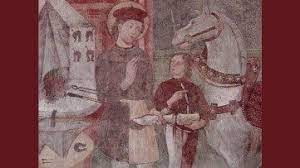
Eloy (Eligius), born around 588 AD near Limoges, France.
The family was engaged in agriculture. His brothers continued to work the land, and Aloy became an apprentice in a jewelry workshop.
Some of his earnings were supposed to be given to his family, but instead Aloy gave the money to those in need. It was said that Eloi had the soul of a monk and an artist, and he shared everything he could with the disadvantaged.
Eloy graduated with a Master Jeweler's degree. His professional qualities grew step by step. On some lucky day, he received an order to make a saddle of gold and precious stones for King Clothar II (613–629).
The king gave him gold to work with, enough to make a saddle, plus a little more, since goldsmiths usually lost some metal when melting and kept the remainder for themselves. But Eloy made one saddle from the required weight of gold, and made a second saddle from the remaining gold, so that he would not have any excess gold left.
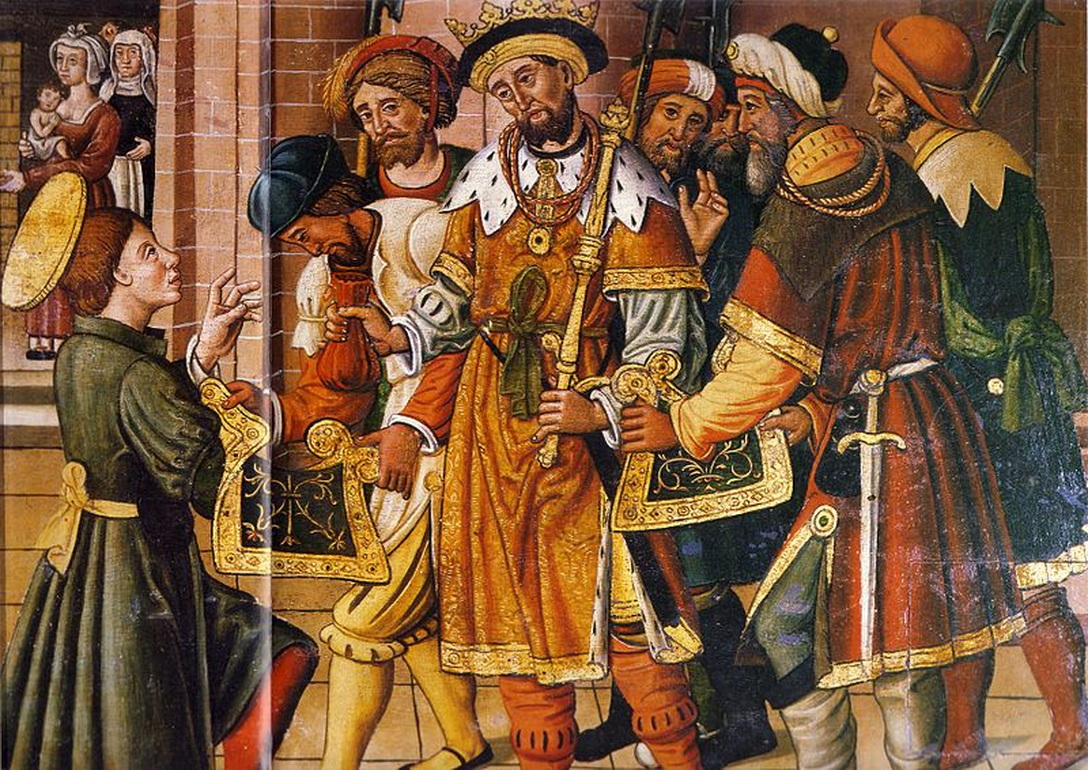
Fascinated by the beauty of the work and the honesty of the craftsman, the king invited him to Paris as the royal jeweler, treasurer and court advisor.
Aloy remained the kingdom's chief jeweler until the day the king died. The heir to the throne, King Dagobert II, also wanted to keep Eloy at court as treasurer, advisor and ambassador.
When Dagobert died, Aloy left government service and became a priest.
He was appointed Bishop of Noyon and devoted himself to service in the Flemish cities of Ghent and Antwerp.
Eloy died on December 1, 660 in Holland while on a religious mission.
Several works of art created by Eloi's hands remain, and the memory of this man who helped those most in need. History tells how he rescued prisoners of war, ransomed slaves, restored churches and monasteries, and performed many other works for the benefit of society.
One of the most famous legends about Eloi involves the shoeing of a horse. The horse was kicking violently, so Aloy took the leg off of it, attached a shoe, and put the leg back on the horse.
Inspiration, devotion, honesty and integrity led to the fact that this master jeweler was canonized by the church and recognized as the patron of gold and silversmiths and jewelers throughout the world.
The family was engaged in agriculture. His brothers continued to work the land, and Aloy became an apprentice in a jewelry workshop.
Some of his earnings were supposed to be given to his family, but instead Aloy gave the money to those in need. It was said that Eloi had the soul of a monk and an artist, and he shared everything he could with the disadvantaged.
Eloy graduated with a Master Jeweler's degree. His professional qualities grew step by step. On some lucky day, he received an order to make a saddle of gold and precious stones for King Clothar II (613–629).
The king gave him gold to work with, enough to make a saddle, plus a little more, since goldsmiths usually lost some metal when melting and kept the remainder for themselves. But Eloy made one saddle from the required weight of gold, and made a second saddle from the remaining gold, so that he would not have any excess gold left.
Fascinated by the beauty of the work and the honesty of the craftsman, the king invited him to Paris as the royal jeweler, treasurer and court advisor.
Aloy remained the kingdom's chief jeweler until the day the king died. The heir to the throne, King Dagobert II, also wanted to keep Eloy at court as treasurer, advisor and ambassador.
When Dagobert died, Aloy left government service and became a priest.
He was appointed Bishop of Noyon and devoted himself to service in the Flemish cities of Ghent and Antwerp.
Eloy died on December 1, 660 in Holland while on a religious mission.
Several works of art created by Eloi's hands remain, and the memory of this man who helped those most in need. History tells how he rescued prisoners of war, ransomed slaves, restored churches and monasteries, and performed many other works for the benefit of society.
One of the most famous legends about Eloi involves the shoeing of a horse. The horse was kicking violently, so Aloy took the leg off of it, attached a shoe, and put the leg back on the horse.
Inspiration, devotion, honesty and integrity led to the fact that this master jeweler was canonized by the church and recognized as the patron of gold and silversmiths and jewelers throughout the world.
Back to list