 FiligranaPT.pt
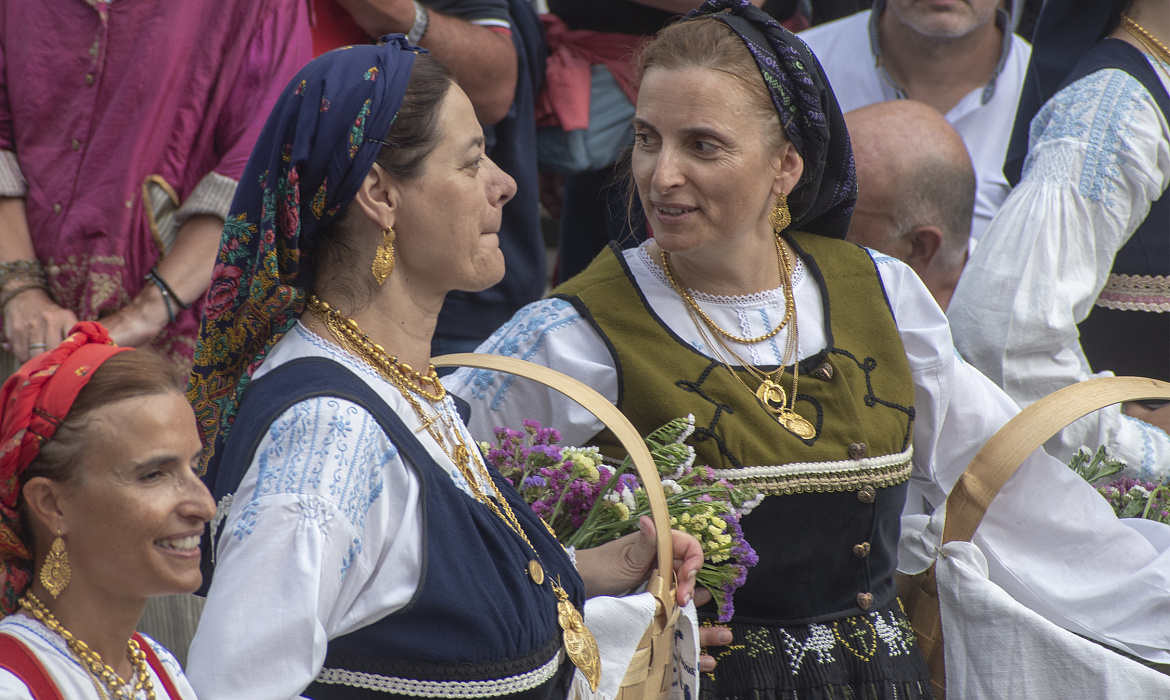
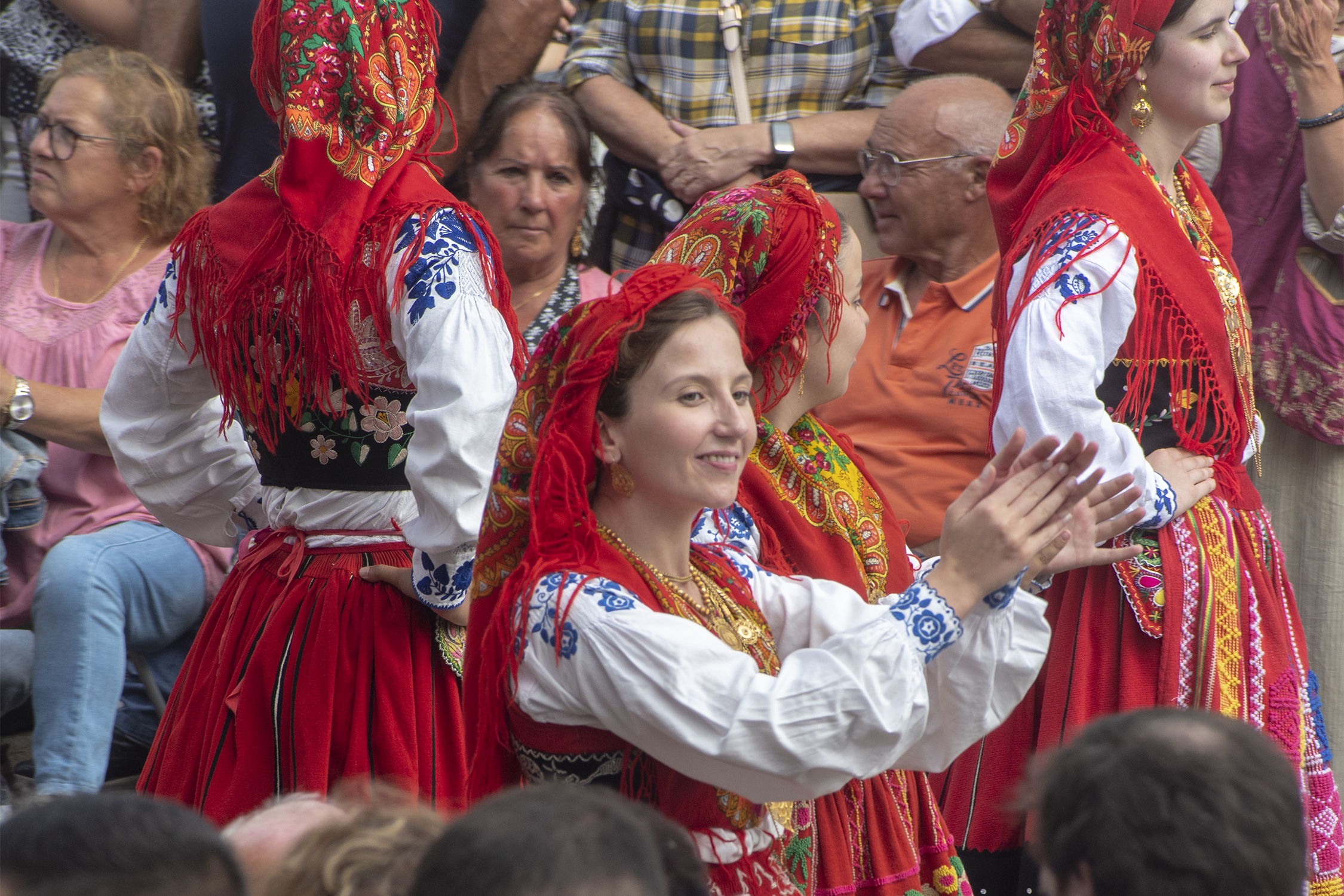
The golden splendor of Portuguese costume, adorned with jewelry, can be seen at the annual festival in the town of Viana do Castelo.
Jewelers joke that port wine (Vinho do Porto) is not made in Porto, and filigree is not made in Viana do Castelo. Viana do Castelo is a showcase. The production of jewelry is concentrated in the town of Gondomar.
The ROMARIA DE NOSSA SENHORA D'AGONIA festival takes place in August in the town of Viana do Castelo.
The word "agonia" comes from the Greek word meaning struggle. Agony is also a battle between gladiators in Ancient Rome. Fishermen in Portugal, constantly faced with the elements and the danger of shipwreck, named their saint Senhora da Agonia.
The cult of Senhora da Agonia began in 1674. Her image was placed in the Capela do Bom Jesus do Santo Sepulcro do Calvário. Fishermen from all over the northern coast of Portugal came to ask for protection from their saint and to give thanks for the mercy they had received.
In 1772, the annual pilgrimage of sailors from Galicia and all over the Portuguese coast began.
In 1783, permission was granted to celebrate an annual solemn mass in the chapel, which is now known as the Santuário de Nossa Senhora da Agonia.
August 20 is the day chosen as a municipal holiday in Viana do Castelo.
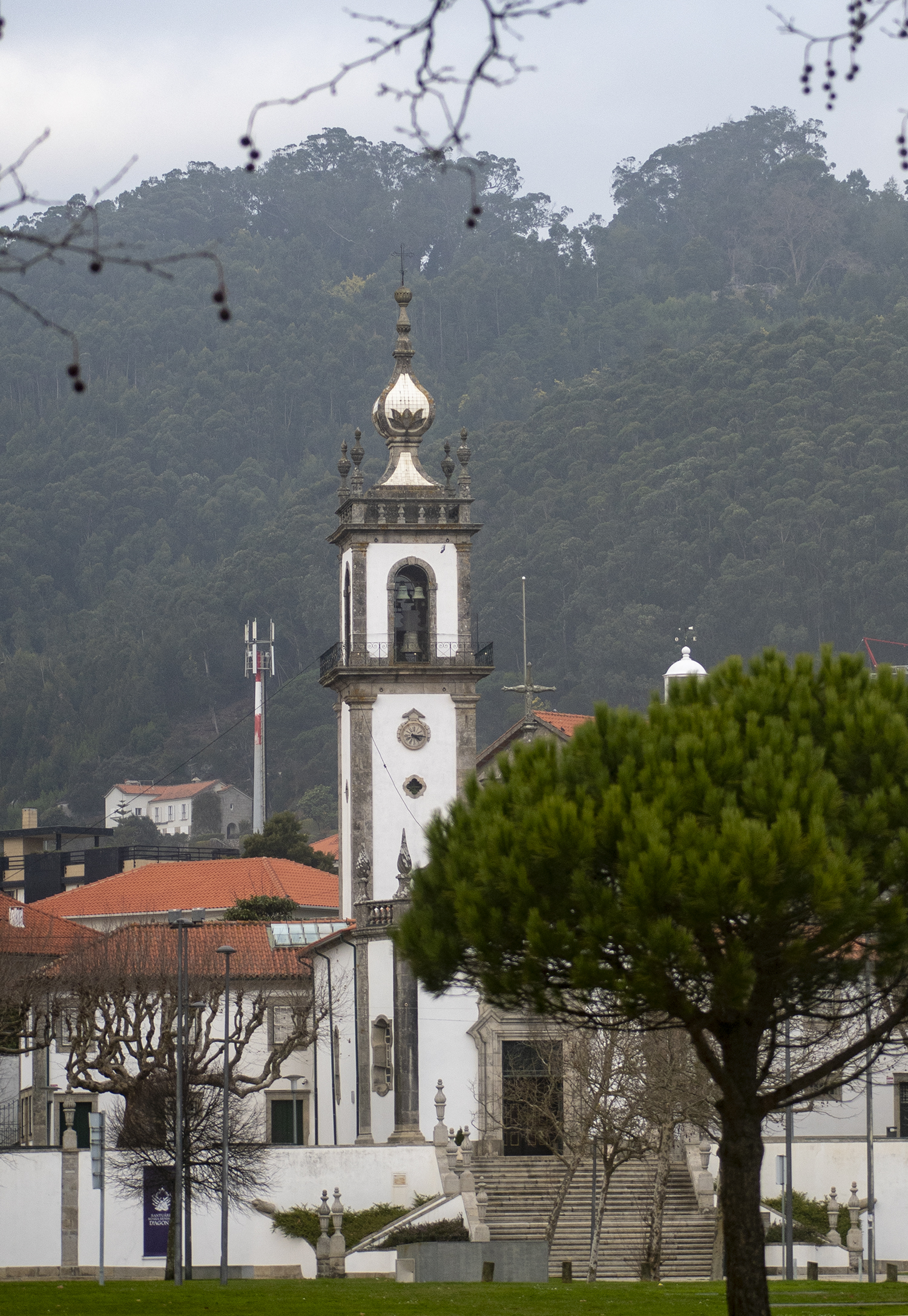
In 1861, the holiday went beyond the religious. The celebration of ROMARIA DE NOSSA SENHORA D'AGONIA today is a grandiose performance.
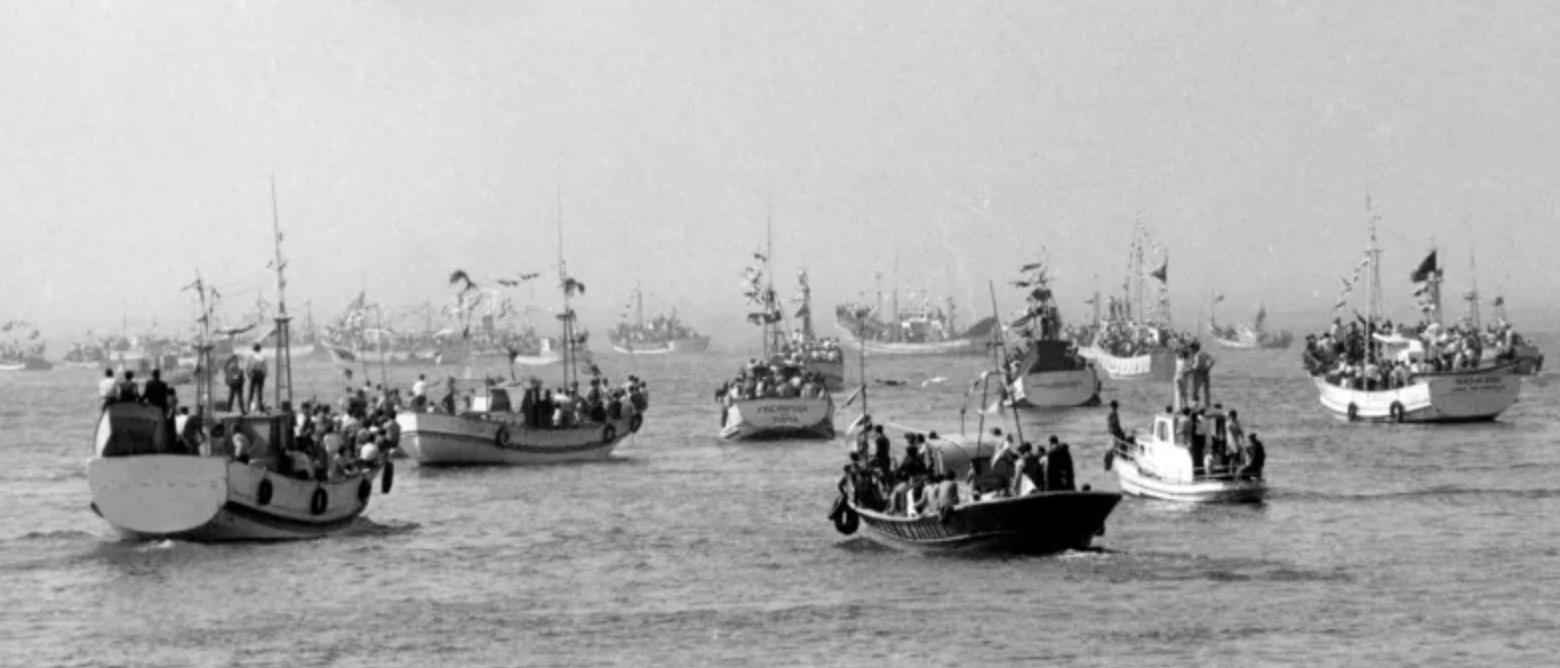
One of the most significant and beautiful ceremonies dedicated to the patroness of fishermen, Senhora da Agonia, is a boat procession organized by fishermen. The figure of the saint is installed on the boat. The boat sets out to sea accompanied by a huge number of decorated fishing boats. People under the patronage of the saint ask the sea to be generous and favorable to them. The holiday begins with this procession in the city.
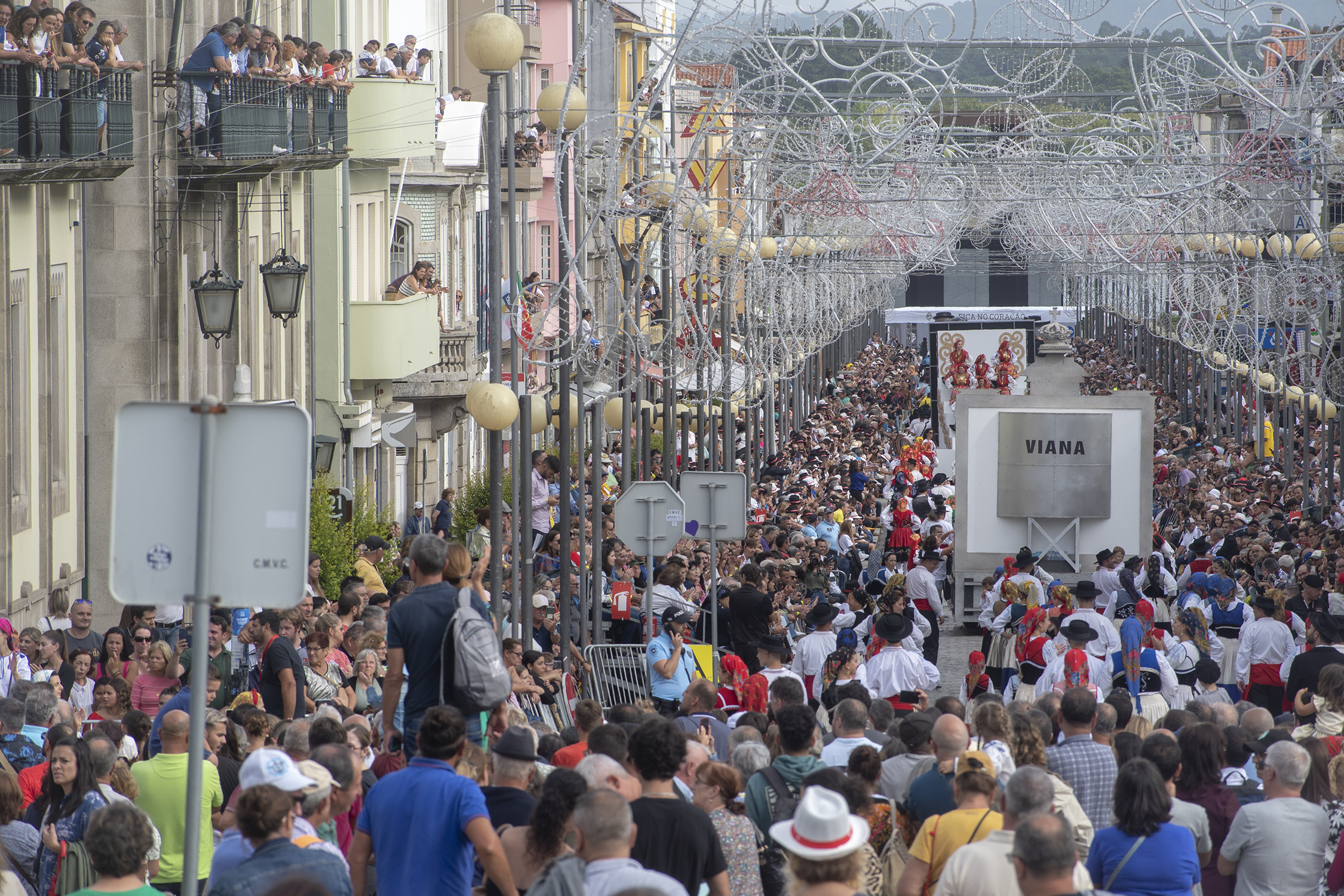
In 1906 the costume festival Festa do Traje was added and in 1908 the grandiose ethnographic procession Parada Agrícola took place for the first time.
The entire city of Viana do Castelo gets into the festive spirit. These are the so-called August celebrations (Festas de Agosto) - the largest holidays in the province of Minho.
Jewelers joke that port wine (Vinho do Porto) is not made in Porto, and filigree is not made in Viana do Castelo. Viana do Castelo is a showcase. The production of jewelry is concentrated in the town of Gondomar.
The ROMARIA DE NOSSA SENHORA D'AGONIA festival takes place in August in the town of Viana do Castelo.
The word "agonia" comes from the Greek word meaning struggle. Agony is also a battle between gladiators in Ancient Rome. Fishermen in Portugal, constantly faced with the elements and the danger of shipwreck, named their saint Senhora da Agonia.
The cult of Senhora da Agonia began in 1674. Her image was placed in the Capela do Bom Jesus do Santo Sepulcro do Calvário. Fishermen from all over the northern coast of Portugal came to ask for protection from their saint and to give thanks for the mercy they had received.
In 1772, the annual pilgrimage of sailors from Galicia and all over the Portuguese coast began.
In 1783, permission was granted to celebrate an annual solemn mass in the chapel, which is now known as the Santuário de Nossa Senhora da Agonia.
August 20 is the day chosen as a municipal holiday in Viana do Castelo.
In 1861, the holiday went beyond the religious. The celebration of ROMARIA DE NOSSA SENHORA D'AGONIA today is a grandiose performance.
One of the most significant and beautiful ceremonies dedicated to the patroness of fishermen, Senhora da Agonia, is a boat procession organized by fishermen. The figure of the saint is installed on the boat. The boat sets out to sea accompanied by a huge number of decorated fishing boats. People under the patronage of the saint ask the sea to be generous and favorable to them. The holiday begins with this procession in the city.
In 1906 the costume festival Festa do Traje was added and in 1908 the grandiose ethnographic procession Parada Agrícola took place for the first time.
The entire city of Viana do Castelo gets into the festive spirit. These are the so-called August celebrations (Festas de Agosto) - the largest holidays in the province of Minho.
Back to list