Articles: From the golden history of Portugal

10.03.2026

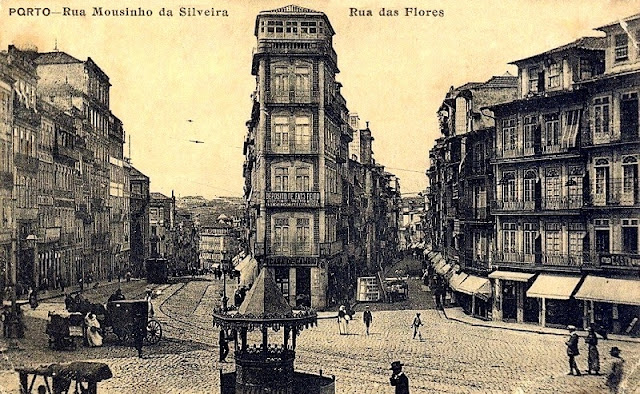
A little over 500 years ago, a new shopping street was built in Porto, called Rua de Santa Catarina das Flores. The street connected the bustling Largo de São Domingos with the Porta del Carros. The street was located among gardens and flowerbeds, hence the name "Flower Street."

Rua das Flores housed the city's most luxurious shops.

Jewelers established themselves on the north side of the street. In the 19th century, the heyday of the jewelry industry, according to various sources, about 40 jewelers (goldsmiths and silversmiths) settled on Rua das Flores.

Because of this number of jewelry workshops and shops, people nicknamed the street Rua das Ourivesarias (Jewelers' Street) or Golden Street.

10.03.2026

This portrait by Henrique Medina can be seen in the City Hall of Viana do Castelo.

The painting depicts a beautiful girl who was born in Viana do Castelo. Her name was Maria Estela Veloso de Antas Varajão.
In 1950, Maria Estela posed for the artist. And this oil portrait was seen by the artist's friend Francisco da Costa Gomes.

10.03.2026

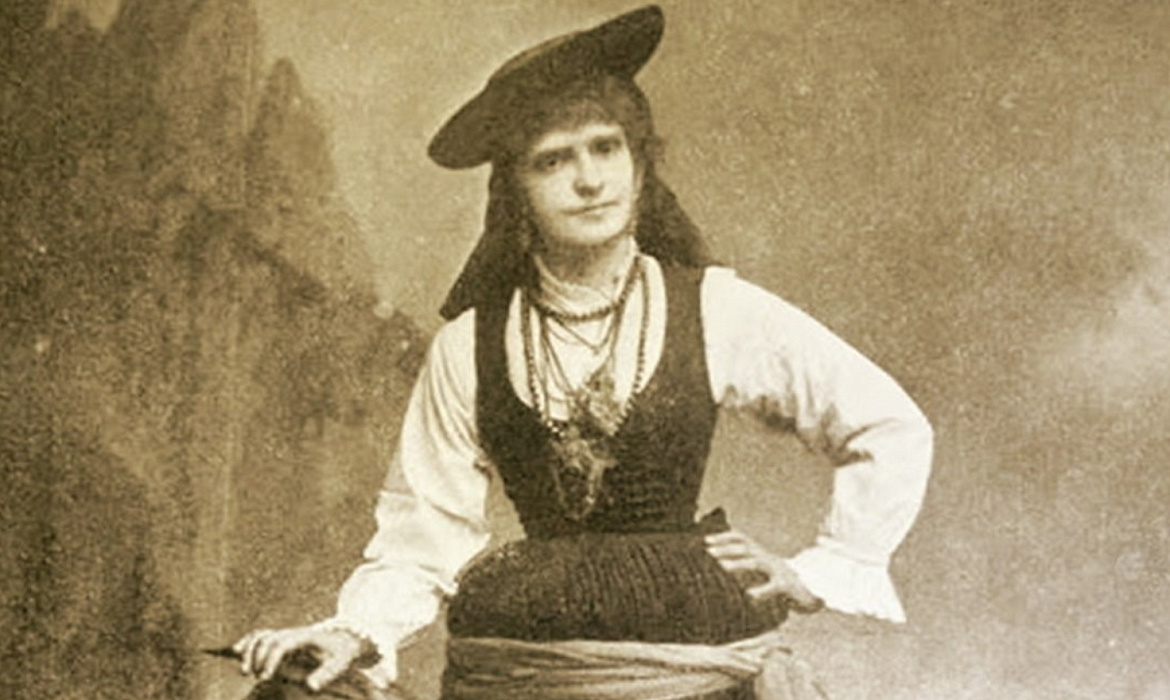
An original suit with a bunch of bright skirts, a bodice, a small hat and, of course, a filigree heart created by a jeweler from Porto.

10.03.2026

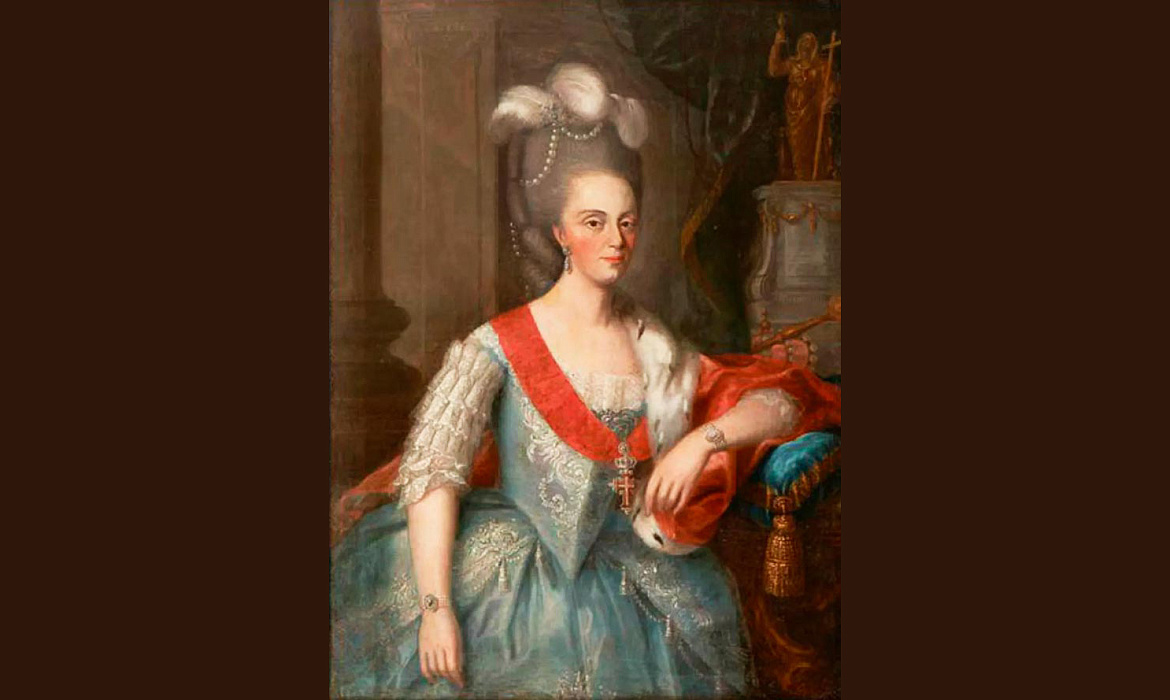
The origin of the iconic heart-shaped filigree decoration is associated with the first Queen of Portugal. Maria I of Portugal (1734-1816) was Queen of Portugal from 1777 to 1816. As the first woman to inherit the throne of Portugal, Maria I revolutionized the previous harsh administration. The Queen was called "Mother of the People" and "Mad Woman". Who was the first queen of Portugal?

10.03.2026

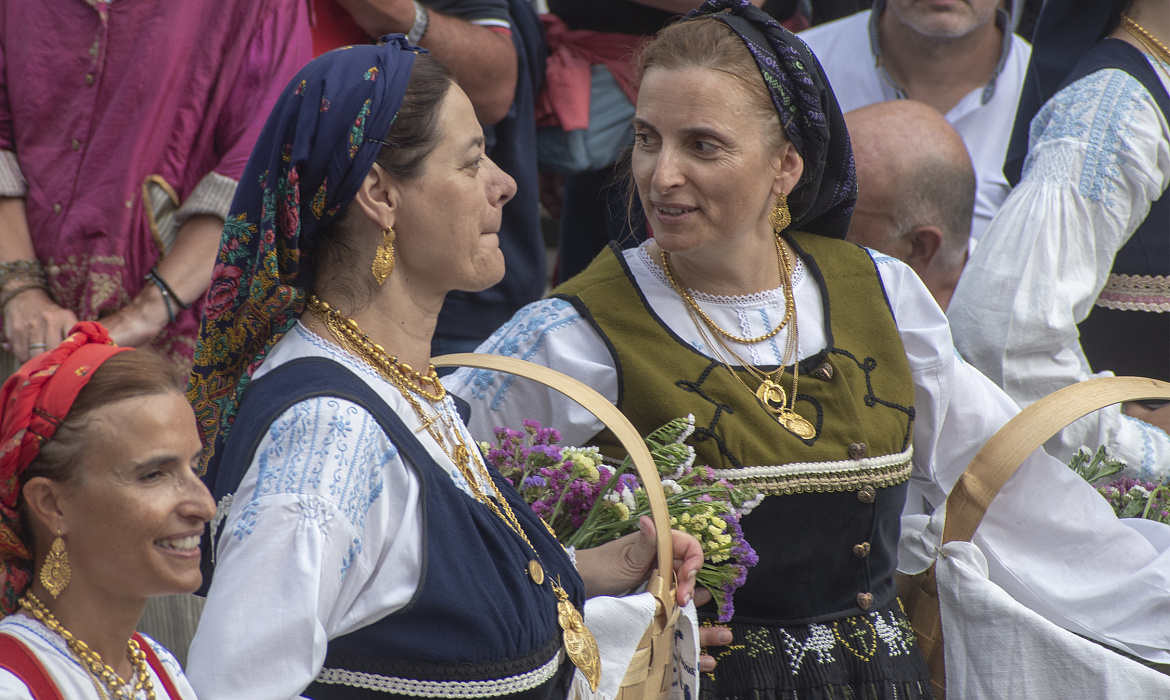
The pilgrimage of our SENHORA D'AGONIA takes place in August in the city of Viana do Castelo. The Lady of Agony is the patron saint of sailors. Over the years, the sailors' pilgrimage to the sanctuary of Our Lady of Agony became a great celebration. The golden splendor of Portuguese costume adorned with jewels can be seen right here in Viana do Castelo. Jewelers joke that, just as Port Wine is not made in Porto, filigree is not made in Viana do Castelo.