Articles: Portuguese filigree

10.03.2026
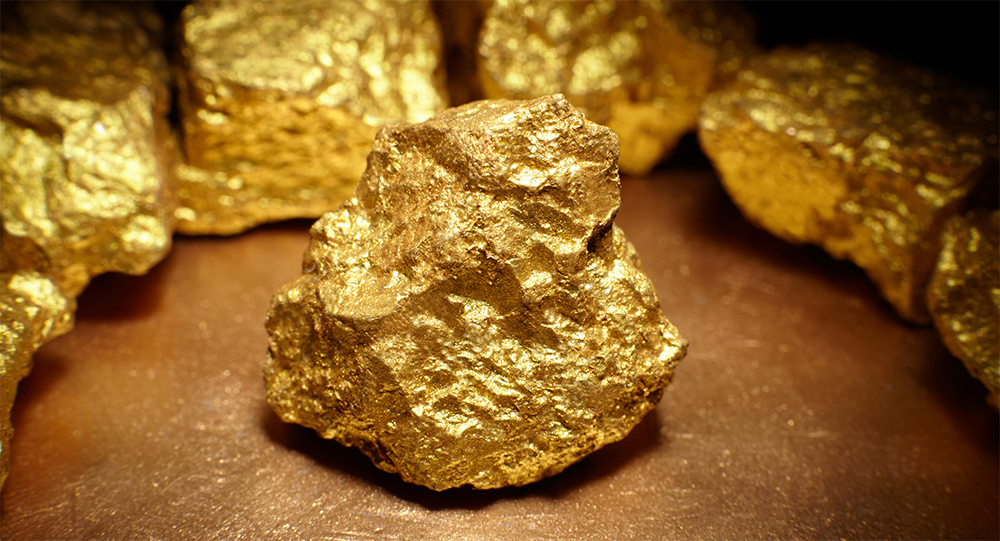
Gold is an extremely dense metal. But it is also the most malleable metal. At certain temperatures and mechanical stress, it can undergo irreversible deformation. And the most flexible. It can be pulled out to the thinnest thread. But it is too fragile and flexible to be used only in its pure form in jewelry. Therefore, gold is mixed with other metals, which gives it greater strength.
10.03.2026
After the discovery and use of gold and copper, other metals appeared - tin, silver and lead.
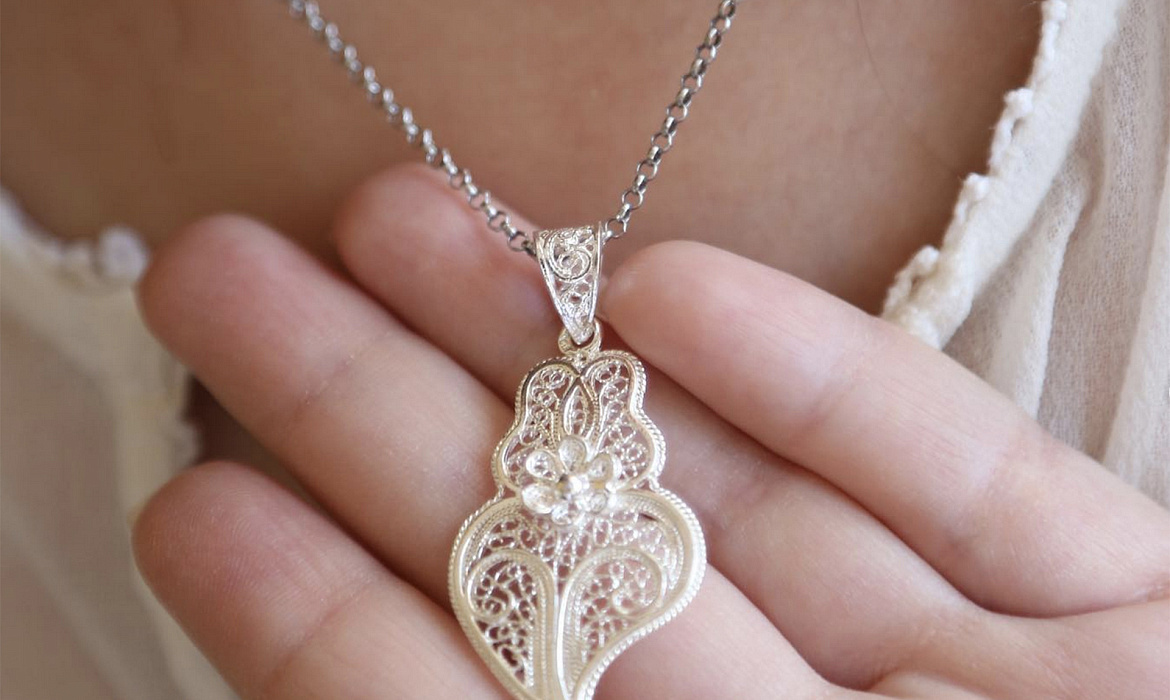
The similarity of the properties of silver with gold led to the fact that this metal also began to be used for making jewelry and handicrafts.
10.03.2026
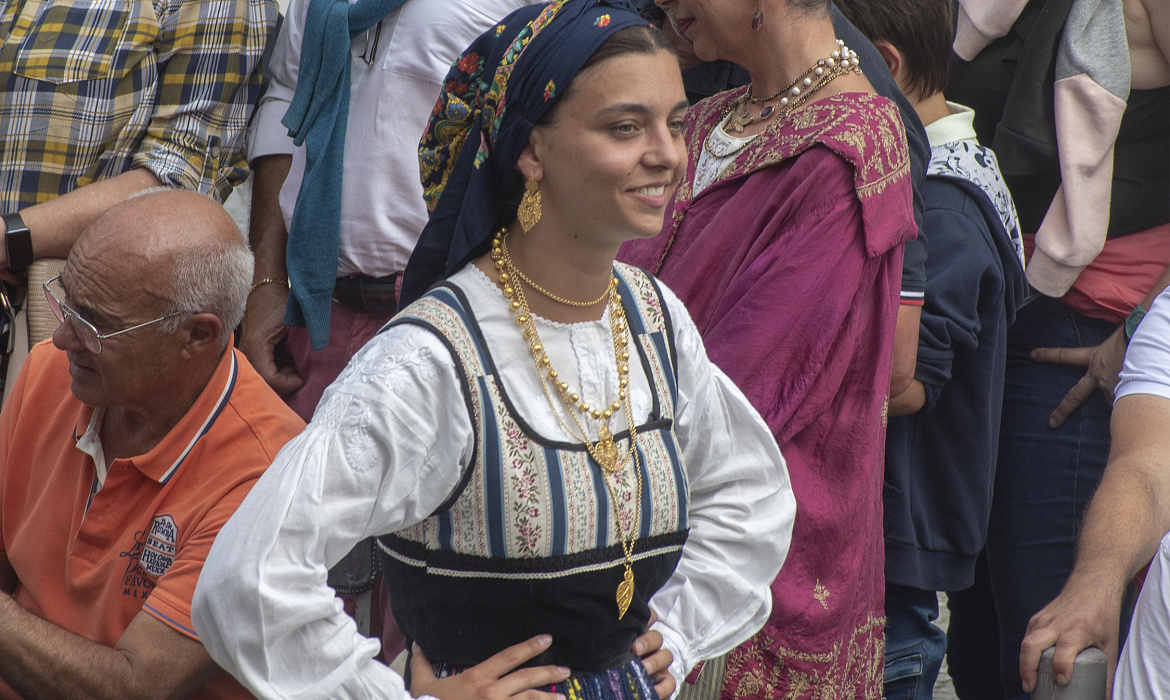
The Portuguese costume is traditionally complemented with gold jewelry.

In addition to the most famous, iconic decoration - Viana's heart, there is another equally interesting decoration - Viana's beads.

Gold beads have been known since ancient times among different peoples.

Viana's Portuguese beads are made of small ornate beads with filigree designs.
The beads are hollow inside, very light, and therefore economical, which made them the main treasure of the Portuguese people.

Traditionally, beads are created by craftsmen from the town of Póvoa de Lanhoso.
10.03.2026
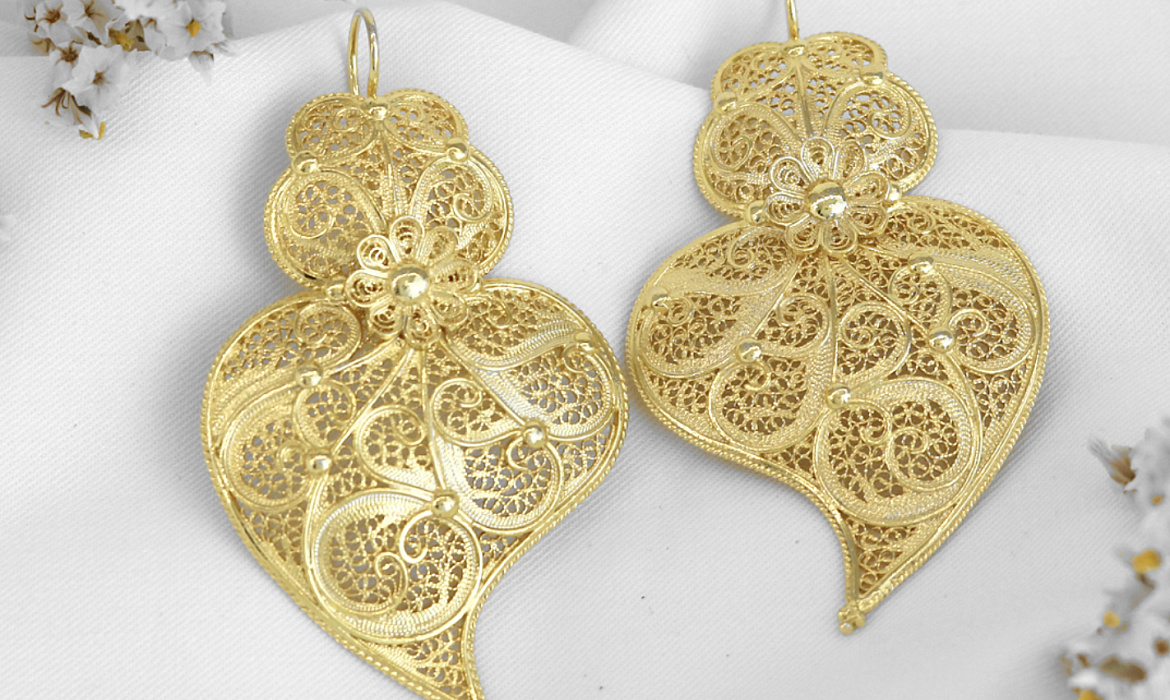
Iconic Portuguese heart-shaped decoration.

On top it has a “crown” with horns symbolizing a flame. The entire product is filled with thin, elegant filigree threads.

This magnificent jewel was created at the end of the 18th century by order of the first Queen of Portugal, Maria I, on the occasion of the birth of her son.

The heart was a symbol of dedication and worship to the Sacred Heart of Jesus. Symbol of flame emanating from this Christian symbol.
For a long time, this jewel was used only as a religious symbol.

Over time, the popularity of this jewelry led to it becoming a symbol of romantic love.
10.03.2026

Filigree appeared 3000 BC in Mesopotamia. Ancient objects were discovered in Syria and Iraq. Portuguese filigree is reminiscent of oriental patterns. Indeed it is.

How did filigree get to Europe?
Why is filigree considered a national tradition of Portugal?

10.03.2026
Portuguese filigree is an openwork pattern made of thin gold or silver thread.

Gold is melted and made into a rod, which is pulled out on a machine so that it turns into a very thin strip - a wall, a frame, a future piece of jewelry. This frame is then filled, creating a pattern of the finest gold or silver threads. By joining and intertwining, the threads create circular patterns, resulting in products of incredible beauty.